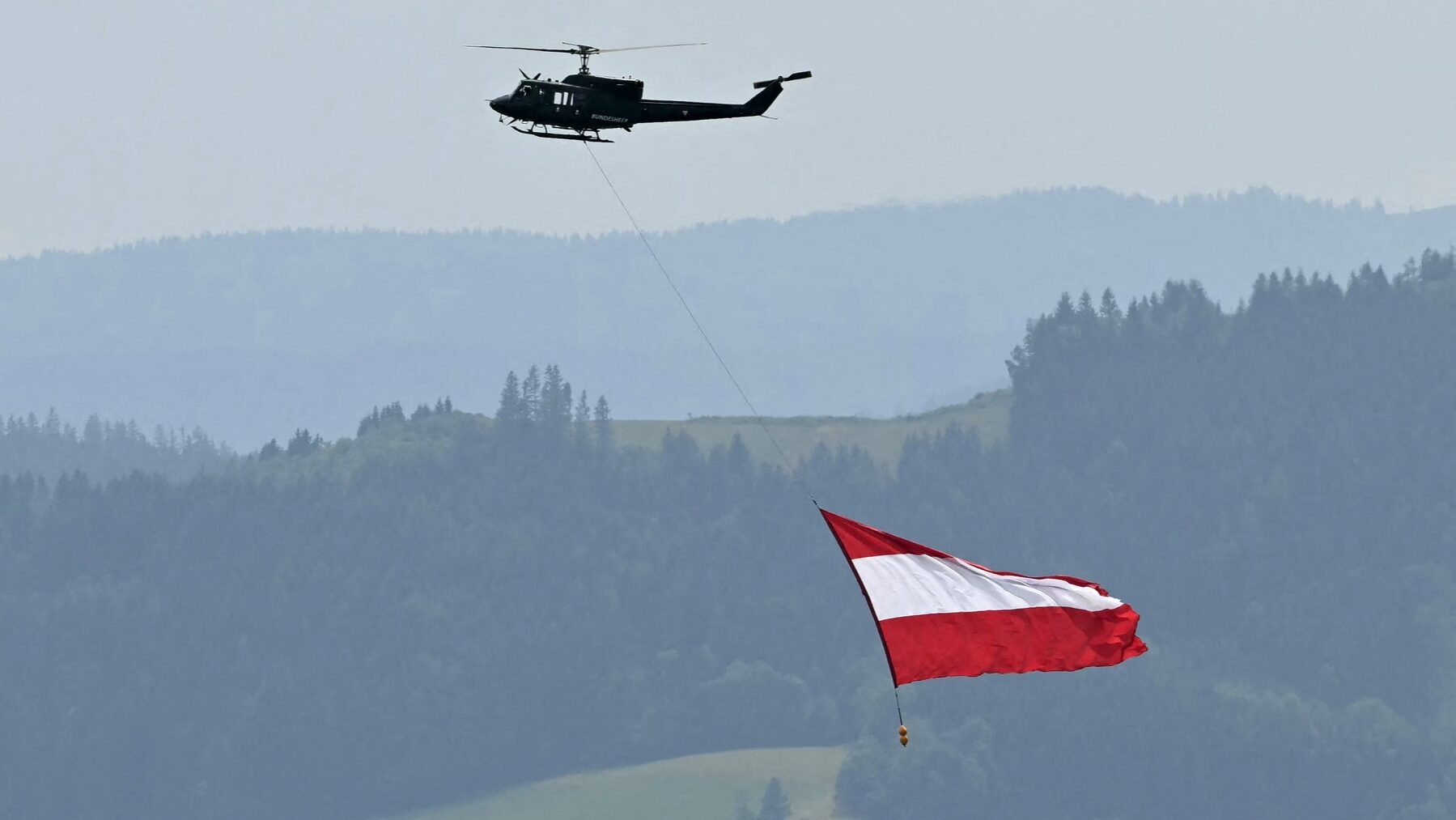
Austria, a nation often lauded for its picturesque Alpine landscapes and commitment to neutrality, has recently found itself at a crossroads regarding its military readiness and capacity for critical citizen protection. A stark contrast in recent events has highlighted both the vital role its armed forces play in domestic emergencies and the significant challenges posed by an aging military fleet when international crises demand swift action. From successful helicopter rescues in the heart of Tyrol to the grounding of an evacuation plane destined for Israel, the capabilities of austria evacuations are under intense scrutiny, revealing pressing needs for modernization and strategic investment.
A Tale of Two Evacuations: Domestic Success vs. International Struggle
The past year has painted a vivid picture of Austria's strengths and weaknesses in managing emergency evacuations. While one incident showcased the seamless execution of a complex rescue, another laid bare the vulnerabilities inherent in underfunded military infrastructure.
Triumph in the Alps: The Gschnitztal Mudslide Response
In a testament to the Austrian Armed Forces' proficiency in disaster relief, a severe mudslide sweeping through the Gschnitztal valley presented a formidable challenge. Triggered by intense thunderstorms, the deluge rendered roads and hiking trails impassable, trapping approximately 100 individuals in the village of Gschnitz and surrounding mountain huts, including the prominent Bremerhutte, Innsbruckerhutte, and Tribulaunhutte. In a swift and decisive response, the military deployed a Black Hawk helicopter for emergency evacuations. This high-capacity aircraft successfully airlifted all stranded individuals to safety, with no injuries reported, demonstrating the indispensable role of military assets in localized humanitarian operations. This incident, detailed further in our piece on Austria Mudslide Triggers Black Hawk Helicopter Evacuations, underscored the nation's robust domestic disaster preparedness and the critical importance of a well-equipped rapid response capability.
The successful operation highlighted several key aspects of effective domestic emergency management:
- Rapid Deployment: The ability to quickly mobilize specialized aircraft and personnel.
- Inter-agency Coordination: Seamless cooperation between the armed forces, local authorities, and crisis management centers.
- Specialized Equipment: The Black Hawk helicopter proved crucial for accessing otherwise unreachable areas.
When Plans Ground to a Halt: The Israel Evacuation Fiasco
Just weeks after the Gschnitztal success, Austria faced a drastically different scenario on the international stage. As tensions escalated in Israel, Austria initiated plans for the urgent repatriation of its citizens. The mission, however, was thwarted by an unexpected and embarrassing setback: its sole available C-130 Hercules military transport aircraft suffered a critical technical failure as it prepared to depart for Cyprus. Defence Ministry spokesman Michael Bauer encapsulated the frustration, describing it as "A black day for the armed forces: We could not help our compatriots."
The breakdown of the C-130, which developed smoke in its passenger compartment, forced Austria to scramble, booking 100 seats on a commercial Israir Airlines flight instead. This costly improvisation eventually led to the evacuation of 98 individuals, including citizens from Israel, Germany, Spain, Hungary, the United States, and the Netherlands. An additional chartered Austrian Airlines flight was arranged for further evacuations, underscoring the shift from military reliance to commercial alternatives. This incident, explored in depth in our article Military Plane Failure Thwarts Austria's Israel Evacuation, exposed a glaring vulnerability in Austria's capacity for independent international austria evacuations and cast a shadow over its military's operational readiness.
The Root of the Problem: Austria's Aging Military Fleet
The C-130 Hercules incident wasn't merely an unfortunate one-off; it was a symptom of a deeper, systemic issue: the advanced age and chronic underinvestment in Austria's military hardware. The C-130s, which constitute the largest aircraft in Austria's fleet, have been in service since the 1960s, making them among the oldest in active duty globally. This prolonged use inevitably leads to increased maintenance demands and a higher risk of technical failures.
Further complicating matters, when questioned why other C-130s weren't deployed, Michael Bauer revealed that "Both Hercules aircraft are being serviced — the first until March, the other until December." This meant Austria's entire C-130 fleet was effectively unavailable for the Israel mission, a stark illustration of the challenges faced by a military with limited resources and an aging inventory. For a neutral country like Austria, often contributing to peacekeeping missions and humanitarian aid, such limitations severely impact its ability to project soft power and fulfill international obligations.
Historically, Austria's commitment to neutrality has often translated into lower defense spending compared to its NATO counterparts. While this stance has its benefits, the incident highlighted how neglecting military investment can compromise not only national defense but also fundamental duties like citizen protection and international emergency response. The government has acknowledged this issue, promising to address the decrepit state of its armed forces and invest in modernization, a crucial step for the future of austria evacuations and overall readiness.
Beyond the Hangar: Broader Implications for Austria's Readiness
The grounding of the C-130 Hercules has far-reaching implications beyond the immediate inconvenience of rearranged travel plans. It raises fundamental questions about Austria's overall readiness, its international standing, and its capacity to act independently in times of crisis. For a neutral nation, a robust and reliable military is not about offensive capabilities but about safeguarding sovereignty, participating in humanitarian missions, and ensuring the safety of its citizens, both at home and abroad.
The ability to conduct independent austria evacuations is a cornerstone of national sovereignty. Relying solely on commercial flights or the goodwill of other nations can complicate operations, increase costs, and potentially delay crucial assistance. This incident serves as a wake-up call, emphasizing that even a neutral country needs a modern, agile military capable of responding to diverse threats and emergencies.
- Reputational Damage: Such highly publicized failures can tarnish a nation's image and impact its credibility on the international stage.
- Strategic Vulnerability: A lack of reliable transport aircraft creates a strategic vulnerability, limiting options during unforeseen crises.
- Citizen Confidence: Citizens expect their government to be able to protect them, regardless of their location. Failures undermine this trust.
- Interoperability Challenges: An outdated fleet can hinder effective collaboration with international partners during joint operations.
The contrast between the Gschnitztal success and the Israel setback underscores the urgent need for a comprehensive assessment of Austria's military capabilities and a commitment to sustained investment. While Black Hawk helicopters may be suitable for domestic short-range rescues, long-range strategic transport for international austria evacuations requires robust, modern fixed-wing aircraft.
Moving Forward: Investing in Resilience and Reliable Evacuation Capabilities
Recognizing the gravity of the situation, the Austrian government has begun to signal its intent to address the shortcomings. The process of replacing the aging C-130 Hercules fleet is already underway, a critical step towards enhancing long-range transport capabilities. However, modernization goes beyond simply replacing old planes; it requires a holistic approach:
- Consistent Budget Allocation: Ensuring sustained and sufficient funding for defense, maintenance, and procurement, not just in times of crisis.
- Fleet Diversification: A mix of aircraft types, including modern transport planes, helicopters, and potentially specialized medical evacuation assets, is crucial for versatile austria evacuations.
- Robust Maintenance Protocols: Investing in state-of-the-art maintenance facilities and highly trained personnel to keep existing and new fleets operational.
- Strategic Partnerships: While striving for independence, fostering strong military and logistical partnerships with allied nations can provide invaluable support during large-scale or complex international evacuations.
- Contingency Planning: Developing detailed contingency plans that include commercial charters as a backup, but not as the primary solution, for international austria evacuations.
Practical advice for any nation facing similar challenges includes prioritizing critical assets, establishing clear procurement timelines, and ensuring transparency in defense spending. For Austria, this means not only acquiring new C-130 replacements but also reviewing the overall state of its air force, land forces, and naval assets to ensure they meet modern operational standards.
The incidents surrounding Austria's recent evacuation efforts serve as a potent reminder that even a neutral nation cannot afford to neglect its defense infrastructure. While the Gschnitztal mudslide highlighted the courage and capability of Austrian forces in domestic emergencies, the C-130 breakdown underscored the critical need for an urgent and comprehensive overhaul of its aging military fleet. Ensuring reliable austria evacuations, both at home and abroad, is not just a matter of national pride but a fundamental responsibility to its citizens and a cornerstone of its international commitments. The path forward requires significant investment, strategic foresight, and an unwavering commitment to operational readiness.